

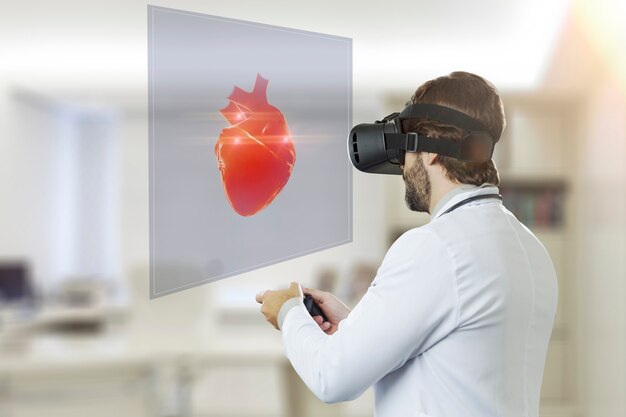
Imagine if sudden cardiac death could be recognised much earlier, before it is too late. This is exactly what the new AI model from Johns Hopkins University makes possible. It's like a superhero among medical tools, predicting the risk of cardiac arrest with impressive precision. A real game changer for patients, doctors and the healthcare system - and all thanks to the power of artificial intelligence. But how exactly does it work and what does it mean for our future? Let's dive in together!
The future of cardiac medicine: AI cardiac death risk prediction revolutionises early detection
Hey, who would have thought that a machine would be better at assessing the risk of sudden cardiac death than the most experienced cardiologist? But that's exactly what's happening right now - thanks to a new, highly intelligent AI model. Johns Hopkins University has developed a real gem that helps save lives even before anyone realises that things are getting critical. It sounds almost too good to be true, but the technology behind it is pretty impressive. Let's take a look at the most important information.
How does the AI cardiac death risk prediction work?
The AI uses huge amounts of data from various sources - such as ECG analyses, medical records and even lifestyle information. It analyses all these indications, recognises patterns and calculates the risk of sudden cardiac death with unprecedented accuracy. Put simply, it's like having a super-smart friend who always has a prediction of what could go wrong with your heart.
What is the difference to previous methods?
Previous approaches were based on statistical models and rather rudimentary tests. They could only roughly assess who was at risk. The new AI model goes one step further and is constantly learning. It recognises subtle changes that are almost invisible to the human eye. This enables it to give early warning - usually before serious symptoms appear.
What are the benefits of AI cardiac death risk prediction?
Here is a brief overview:
- Early risk detection: More time to take action.
- Higher accuracy: Fewer false alarms, more genuine warnings.
- Personalised medicine: Every patient receives a customised assessment.
- Scientific progress: More data, better research.
What does that mean for you?
If this technology becomes part of everyday life, regular checks with AI support could soon be routine - and provide life-saving information before it is too late.
What is the role of AI in heart health?
The AI cardiac death risk prediction is like a personal bodyguard for your heart. It helps doctors to better understand risks and develop customised therapies. The goal? To save more lives and massively reduce the number of unexpected cardiac deaths.
Technology check: What's behind this AI?
At its core, this is machine learning that has been trained on enormous amounts of data. The model identifies tiny changes in the heart rhythm that people barely notice, carefully analyses them and converts them into a risk assessment. It's almost like having a crystal ball - only more scientific.
Why is this project so exciting?
Because it shows how AI is not only revolutionising medicine, but also making it better, safer and more personal for each individual. The result? More life, less fear.


